A Tanzania safari is widely regarded as one of the finest wildlife experiences in the world. With its vast protected landscapes, remarkable biodiversity, and iconic national parks, Tanzania offers travelers a rare opportunity to witness nature in its most dramatic and unspoiled form. From the endless plains of the Serengeti to the ancient Ngorongoro Crater, a safari in Tanzania delivers exceptional wildlife viewing combined with breathtaking scenery and rich cultural heritage.
Why Tanzania Is a Premier Safari Destination
Tanzania is home to some of Africa’s most celebrated wildlife reserves, covering nearly one-third of the country. This strong commitment to conservation ensures thriving ecosystems and authentic safari experiences. Unlike destinations that rely heavily on fenced parks, Tanzania’s wildlife moves freely across vast territories, creating natural and dynamic encounters.
Key reasons to choose a Tanzania safari include:
- Exceptional wildlife density
- World-famous national parks
- The Great Wildebeest Migration
- Year-round safari opportunities
- Diverse safari styles for all budgets
Top National Parks for a Tanzania Safari
Serengeti National Park
The Serengeti is the crown jewel of Tanzania’s safari circuit. Known for its vast open plains and dramatic predator action, it hosts millions of animals throughout the year.
Highlights:
- The Great Wildebeest Migration
- Large lion populations
- Cheetahs, leopards, and hyenas
- Endless savannah landscapes
The Serengeti offers outstanding game viewing at any time of year, making it a must-visit destination.
Ngorongoro Crater
The Ngorongoro Crater is one of Africa’s most unique safari locations. This collapsed volcanic caldera supports an extraordinary concentration of wildlife within a relatively small area.
Highlights:
- High chances of seeing the Big Five
- Permanent water sources
- Stunning crater views
- Excellent photography opportunities
Due to its enclosed ecosystem, wildlife sightings here are frequent and reliable.
Tarangire National Park
Tarangire National Park is renowned for its large elephant herds and distinctive baobab trees. During the dry season, animals gather around the Tarangire River, offering spectacular viewing.
Highlights:
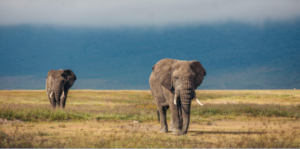
- Massive elephant populations
- Seasonal wildlife migration
- Fewer crowds than Serengeti
- Excellent birdlife
Lake Manyara National Park
Located beneath the Great Rift Valley escarpment, Lake Manyara National Park offers diverse habitats in a compact setting.
Highlights:
- Tree-climbing lions
- Flamingo-filled lake shores
- Groundwater forests
- Ideal for short safaris
Wildlife Encounters on a Tanzania Safari
A Tanzania safari provides access to an extraordinary range of wildlife.
The Big Five
- Lion
- Elephant
- Leopard
- Buffalo
- Rhinoceros
Other Species
- Giraffe
- Zebra
- Wildebeest
- Cheetah
- Hippopotamus
- Crocodile
With over 1,100 bird species, Tanzania is also one of Africa’s top birdwatching destinations.
The Great Wildebeest Migration
The Great Wildebeest Migration is one of the most spectacular natural events on the planet. Over 1.5 million wildebeest, accompanied by zebras and gazelles, move across the Serengeti ecosystem in search of fresh grazing.
Key moments include:
- Calving season in the southern Serengeti
- Predator interactions
- Dramatic river crossings
This continuous cycle ensures exciting wildlife action throughout the year.
Best Time to Go on a Tanzania Safari
Dry Season (June to October)
- Best overall wildlife viewing
- Easier animal spotting
- Peak tourist season
Green Season (November to May)
- Lush scenery
- Fewer visitors
- Excellent birdlife
- Calving season in February
Both seasons offer unique safari advantages depending on traveler preferences.
Safari Accommodation Options
Tanzania offers a wide range of safari accommodations:
- Luxury lodges with premium services
- Tented camps for an authentic safari feel
- Mid-range lodges offering comfort and value
- Budget camping safaris for adventurous travelers
Most accommodations are strategically located inside or near national parks.
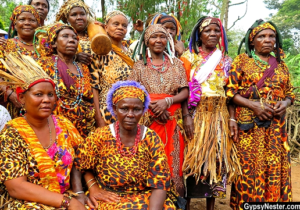
Cultural Experiences Alongside Safari
Beyond wildlife, a Tanzania safari can include cultural encounters with local communities such as the Maasai. These experiences provide insight into traditional lifestyles and deepen understanding of Tanzania’s heritage.
Responsible Tourism and Conservation
Tanzania emphasizes sustainable tourism through:
- Wildlife protection programs
- Community-based tourism initiatives
- Eco-friendly safari camps
- Strict conservation regulations
Responsible travel supports local communities and preserves wildlife habitats.
Conclusion
A Tanzania safari is an exceptional journey into one of the world’s most extraordinary wildlife destinations. With iconic parks, abundant wildlife, and a strong conservation ethic, Tanzania offers safari experiences that are both thrilling and meaningful. Whether witnessing the Great Migration, exploring volcanic craters, or enjoying quiet moments on the savannah, Tanzania delivers unforgettable adventures for every traveler.
Key Takeaways
- Tanzania is one of Africa’s top safari destinations
- Home to the Serengeti and Ngorongoro Crater
- Offers excellent wildlife viewing year-round
- Suitable for luxury, mid-range, and budget travelers
- Combines wildlife, landscapes, and cultural experiences
- Strong focus on conservation and sustainability
Frequently Asked Questions (FAQs)
What makes a Tanzania safari unique?
Tanzania offers vast unfenced parks, exceptional wildlife density, and the Great Wildebeest Migration.
How long should a Tanzania safari be?
A safari of 6–10 days allows time to visit multiple parks.
Is Tanzania safe for safari tourists?
Yes, Tanzania is considered safe when traveling with licensed safari operators.
Do I need prior safari experience?
No, Tanzania is ideal for first-time safari travelers.
Is a Tanzania safari suitable for families?
Yes, many lodges and camps cater to families with child-friendly programs.